
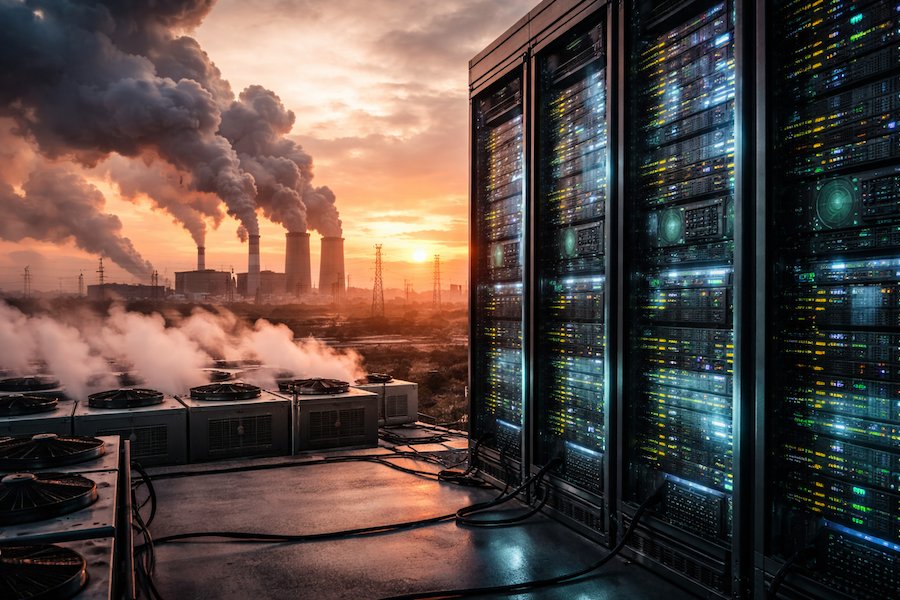
Artificial intelligence is transforming industries, improving efficiency, and powering innovation across the globe. But behind the rapid growth of AI lies an often overlooked issue—its environmental impact.
From energy-hungry data centers to massive computational demands, AI is contributing to climate change in ways that are not always visible to the average user. As adoption accelerates, understanding these impacts becomes essential.
In this article, we break down the negative impact of AI on climate change, why it matters, and what can be done to reduce its footprint.
Quick Answer: What is the negative impact of AI on climate change?
- High energy consumption from data centers
- Increased carbon emissions from training AI models
- Growing demand for electricity and water
- Electronic waste from hardware upgrades
- Expansion of resource-intensive infrastructure
👉 In short: AI significantly increases energy use, which can contribute to higher greenhouse gas emissions.
Why AI Has a Growing Environmental Footprint
AI systems require enormous computational power. Training advanced models can take days or even weeks using powerful servers running continuously.
Key reasons for the impact:
- Large-scale data processing
- Constant server uptime
- Increased global demand for AI services
- Rapid growth of cloud computing
As AI becomes more integrated into everyday life, its energy demands continue to rise.
Energy Consumption of AI Systems
One of the biggest contributors to AI’s environmental impact is energy usage.
Where energy is used:
- Training machine learning models
- Running AI applications in real time
- Cooling data centers
- Storing massive datasets
Data centers operate 24/7 and require not only electricity for computation but also significant cooling systems to prevent overheating.
Carbon Emissions from AI Training
Training large AI models can produce substantial carbon emissions.
Why this happens:
- Long training times
- High-performance GPUs and servers
- Fossil fuel-based electricity in many regions
Even a single advanced AI model can generate emissions comparable to multiple cars over their lifetime.
Water Usage and Cooling Systems
AI infrastructure doesn’t just consume electricity—it also uses large amounts of water.
Water is used for:
- Cooling servers
- Maintaining data center temperatures
- Supporting energy production
This can put pressure on local water resources, especially in regions already facing scarcity.
Electronic Waste and Hardware Demand
AI development requires constant hardware upgrades.
This leads to:
- Increased electronic waste
- Shorter lifecycle of GPUs and servers
- Mining of rare earth materials
The environmental cost of producing and disposing of hardware adds another layer to AI’s climate impact.
Expansion of Data Centers Worldwide
The demand for AI is driving rapid expansion of data centers globally.
Impact of this expansion:
- Increased land use
- Higher energy demand
- Greater infrastructure emissions
As more companies adopt AI, more facilities are needed to support the growth.
Hidden Environmental Costs of Everyday AI Use
Many people don’t realize that daily AI usage contributes to emissions.
Examples include:
- Voice assistants
- Recommendation algorithms
- Image generation
- Search queries powered by AI
Each interaction may seem small, but at scale, the environmental impact becomes significant.
How to Reduce AI’s Environmental Impact
While AI has negative effects, there are ways to reduce its footprint.
For companies:
- Use renewable energy
- Optimize algorithms for efficiency
- Reduce unnecessary computations
For individuals:
- Be mindful of excessive AI usage
- Support sustainable tech companies
- Use energy-efficient devices
You can also take broader steps to reduce your environmental impact by following strategies like Top 10 Proven Ways to Reduce Your Carbon Footprint at Home – And Help the Planet Thrive.
Common Misconceptions About AI and Sustainability
“AI is always environmentally friendly”
Not true—while AI can improve efficiency, it also consumes large amounts of energy.
“Digital means low impact”
Digital systems still rely on physical infrastructure and electricity.
“AI replaces more emissions than it creates”
In some cases yes—but not always, especially at scale.
Top 5 Negative Impacts of AI on Climate Change
- Massive energy consumption
- High carbon emissions
- Increased water usage
- Growth of electronic waste
- Expansion of infrastructure
FAQ – Negative Impact of AI on Climate Change
Does AI really affect climate change?
Yes, mainly through energy consumption and emissions from data centers.
Is AI worse than other technologies?
It depends on scale, but large AI systems can have significant impact.
Can AI also help the environment?
Yes, but its benefits must outweigh its energy costs.
What is the biggest environmental issue with AI?
Energy usage and carbon emissions.
Deep Dive: The Balance Between Innovation and Sustainability
AI is not inherently harmful—but its rapid growth creates challenges. The key issue is balancing innovation with sustainability.
As demand increases, companies and governments must invest in greener infrastructure and more efficient technologies.
Summary
AI is shaping the future—but it comes with environmental costs that cannot be ignored. From energy consumption to carbon emissions and resource use, the negative impact of AI on climate change is real and growing.
Understanding these effects is the first step toward building a more sustainable future where technology and the environment can coexist.

0 kommentarer